INSIGHTS
Starting strong

Launching a rebrand can be an exciting opportunity to revamp your image, better align your communications with your mission and values, and re-engage with your audiences. But the process of developing it can be time-consuming: stakeholder interviews, debates over the impact of different strategies, resolving differences over specific shades of the new color….
After months of development, the launch itself can get short shrift for a variety of reasons — from excitement to finally share it, to the need for new materials, a specific looming deadline, or pressure to “just get it done.” But a successful rollout is critical to the long-term success of the new brand. If you want your brand to last five years or more, the five weeks around the launch will set the stage for success.
It’s been said that, “You don’t get a second chance to make a first impression.” In fact, launching a rebrand is exactly that: both a second chance and a first impression. But the underlying advice — take it seriously, plan ahead, and make it memorable — still applies. Rolling out a rebrand is a key inflection point in your communications that needs to be properly considered, and when thoughtfully planned, can amplify the impact that comes from the rebrand itself.
Failing to correctly plan your rollout can have bad side effects. We have seen some of our clients’ years-long rebranding efforts get derailed near the launch when it becomes clear that internal stakeholders were not consulted early enough or launch schedules not properly coordinated across all teams.
Even some of the biggest brands have seen catastrophic backlash because they failed to properly manage the rollout. Gap famously thought they could quietly roll out a big change to their logo — resulting in customer confusion and backlash, forcing the company into crisis containment mode before scrapping the whole rebrand a week later. Staples took the opposite route, lightly refreshing their design, but rolling it out with all the subtlety of a monster truck rally, also garnering mockery from customers.
But when handled well, a rebrand can have lasting impact. Just think of the rollout as your second chance to make a first impression. A brand is not simply a logo or a website, so be sure to tell a complete narrative about your vision and values in a compelling way. The weeks around the launch are a rare opportunity to directly engage audiences with your mission and values, re-introducing what your organization stands for and how you will act. The work you put into developing your brand strategy becomes the foundation for the new narrative — start there, and make a launch activation plan that expresses the strategy in unique and engaging ways.
Launching a rebrand is not the finish line, it’s the starting line.
A friend of mine, James, is a long-distance runner who recently ran the London Marathon… twice in the same day. Once backwards, then once forwards. Starting at the finish line at 5:14 a.m., he ran the entire route in reverse toward the starting line, by himself, before turning around and doing the full marathon again in the traditional route from starting line to finish line, alongside 48,000 others in front of hundreds of thousands of spectators (with remarkably similar times of 3:52 for the first, 3:53 for the second!).
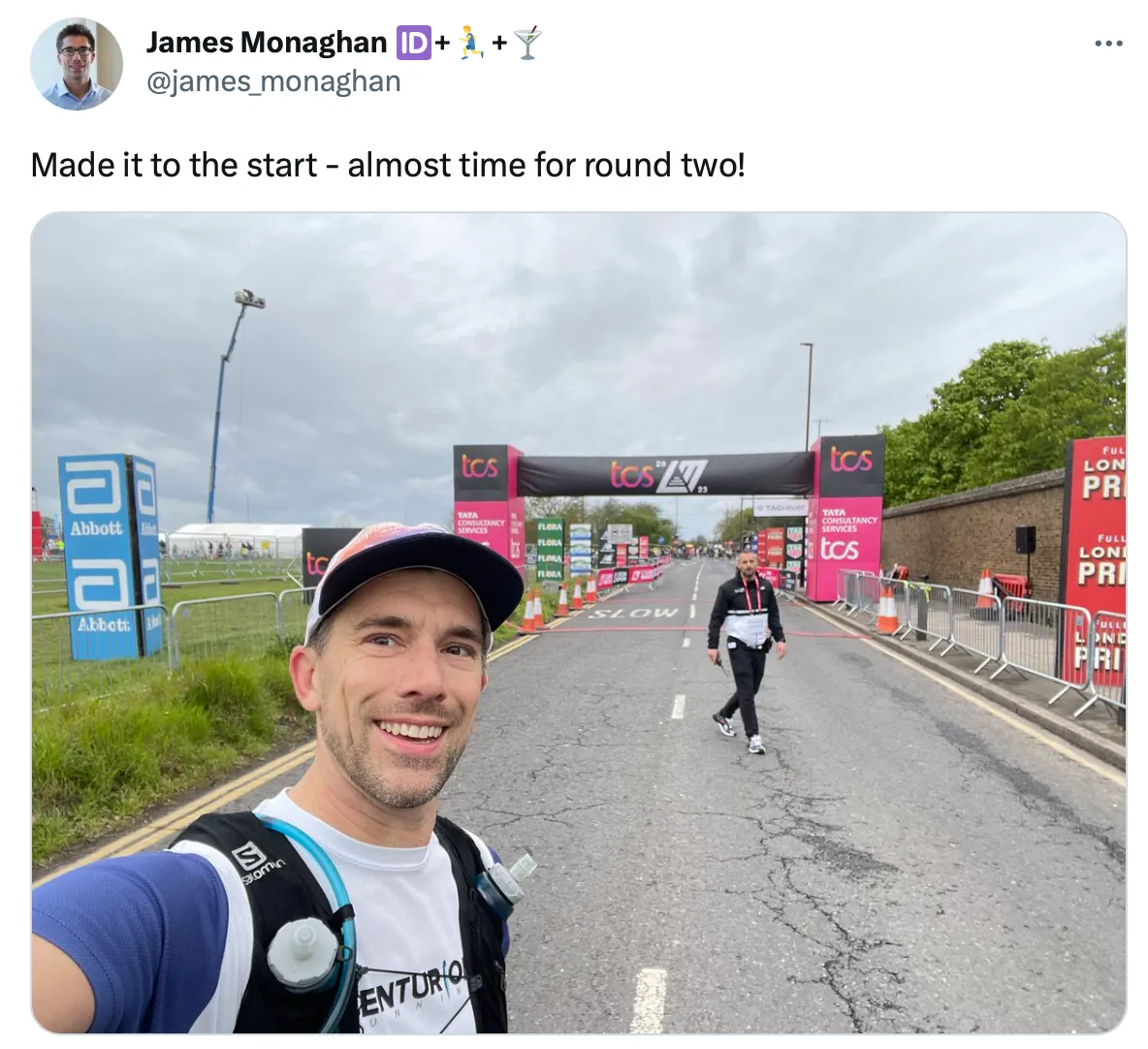
I’m no marathon runner, but it’s such a great story of commitment, and I see parallels between James’ physical efforts of running 26 miles just to get to the starting line, and the mental efforts involved in developing a rebrand. I’ve seen too many organizations see the launch as the finish line, completing the brand system, but not putting in the work to roll it out properly and improve it over time. Really, the launch is the starting gun of the real marathon — the transition point when private efforts become public, and the brand goes out for all to see and cheer for.
• • •
If you’re rebranding, start planning for the launch early. Once the strategy is approved and the design is shaping up — long before the rollout — it’s time to start making a launch activation plan. At Ultravirgo, we customize these plans for each brand and audience, but here are a few tips that apply to most situations:
Get top-level support first.
It’s crucial to involve the highest levels of leadership at key decision-making points throughout the process, but also make them the first stop when planning the rollout. Failing to get their full buy-in before launch can torpedo the whole thing. But more importantly, they can help identify and address potential roadblocks to adoption both internally and externally. When we have planned large rollouts with complex organizational considerations, once upper management got behind the vision and expressed full support, many of the feared roadblocks fell away. You want all staff to be vocal brand ambassadors come launch day, with management leading the way.
Coordinate all of your comms teams.
You don’t have to manage it all alone. Collaboratively developing launch tactics across teams — both internal staff and external vendors — will leverage the expertise of all players and spread the workload. When engaging a branding agency for the rebrand itself, include the development of launch strategies and rollout in the scope of work from the beginning. And include all communications vendors and channels — including public relations, fundraising, etc. — in the launch plan to ensure a coordinated and unified brand message come launch day.
Make your most important audiences feel special.
Preview any upcoming changes with your most critical external audiences, such as key funders, partners, and allies. Personal meetings to introduce the brand update will build trust and closer engagement by helping them feel respected as “insiders,” while ensuring they are fully in alignment and understand any changes to your organization’s vision.
Coordinate channels.
Consider the timing of your launch and the channels that you’ll use to communicate, and ensure that as many changes can happen simultaneously as possible. You don’t need to throw out all the letterhead and stationery at once (use it up before reprinting to save resources). But the website is the most public digital presence, and the relaunch or update of the site is often the key moment to make the public switchover to all-new visuals. On the same day, be sure to update all social media profiles and imagery, including LinkedIn and email newsletter templates.
Make it a “moment.”
Having a clear launch moment is important both from a project management point of view, providing a clear deadline, and for public perception, to make a big splash. Consider hosting an event — it doesn’t need to be a “brand only” event, and can be aligned to other gatherings or activities, but it should be an event that your organization has direct control over (not an industry event where it can get drowned out by others competing for attention). One of our clients, a NYC schools initiative, hosted a showcase in a public school auditorium where they revealed the new brand, complete with a student marching band! Even a digital-first rollout can feature an exciting launch video to introduce the brand story, or an online event to gather your community. We helped an international client plan a three-day online forum, which ended on a panel about the future of their sector, providing a clear chance to segue to the future of their own organization and talk about the new brand direction.
Think long term, and highlight successes.
When organizing the launch, plan not just for the weeks around launch day, but also consider the first 12 months of the rollout. Set up a company-wide internal briefing a couple weeks before public launch, where the communications team can introduce the new messaging and answer any questions. And follow it up with quarterly check-ins to review new materials or assets, metrics of success, and upcoming initiatives. For larger organizations, or distributed communications teams, annual internal “brand awards” can recognize those who are carrying the brand forward in the best ways, and motivate all to go above and beyond.
Focus on impact.
When messaging the new brand, don’t write your press release or announcement about the process, or even spend much time on the result itself. Most people don’t care about the project background. Focus on how the new position will help you achieve more, reconnect to your audiences, and empower them to create change. In the social good sector, your brand should be built from the ground up to expand impact on the issue or cause centered in your mission. Tell the story of how your new direction enables you to accelerate progress on your cause and achieve more impact.
• • •
The effort of getting to the starting line of launch day can be a lonely, dark effort that few see, like James’ 26-mile journey to the starting line. But when properly planned, the rollout is your big public run — alongside your colleagues, with your audiences cheering you on — that brings all the glory. Now who wants to run a sub-four-hour brand sprint?